
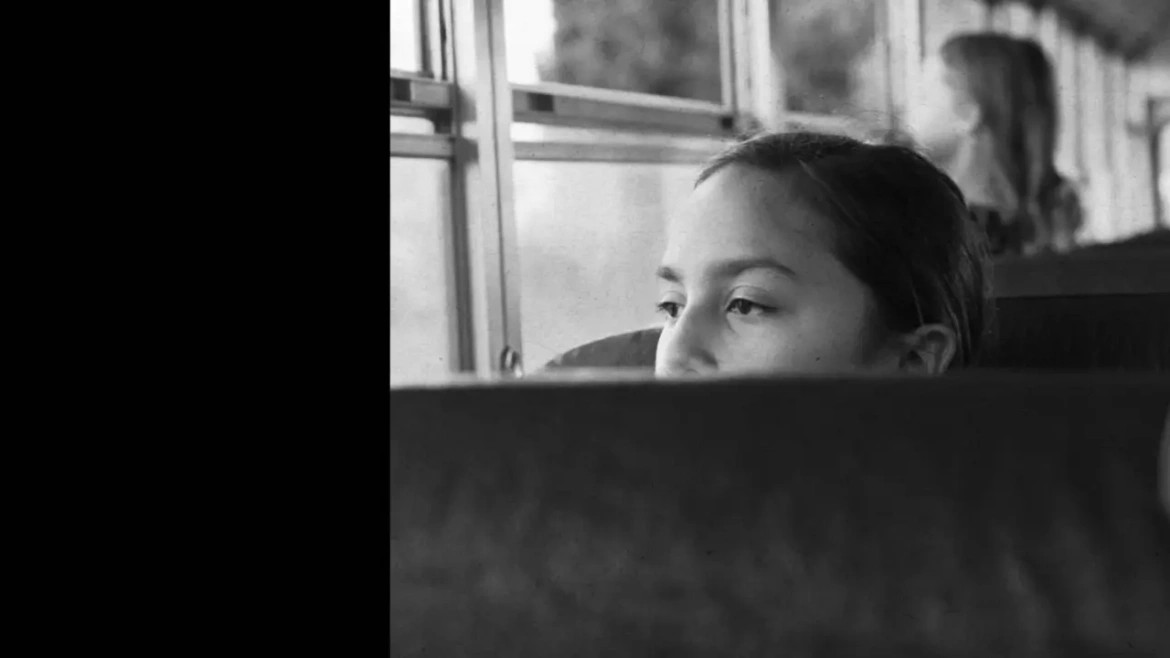
Childhood stress is rampant. What if we could fix that?
American childhood has changed. Here’s what we can do to bring back the magic.
Parents send their kids to school because they believe it’s good for them. But what if it’s actually harming them?
According to a study by New York University, 49% of kids report chronic school-related stress, and 26% report symptoms of depression. Video games and social media often get blamed, but experts increasingly believe the soaring rates of childhood mental health disorders may have roots in the classroom.
“Our society has convinced parents what’s best for their children is that they perform well in school,” said Dr. Peter Gray, a psychology researcher at Boston College. “And children are missing out on so much more that’s really, really important.”
What can we do to reverse the downward trend in kids’ mental health? These changemakers say it starts with more self-direction, more time away from adults, and maybe even a school in the woods.
A ‘report card’ that changed everything
Gray said the source of much school stress started with one book — “A Nation at Risk: The Imperative for Educational Reform.” Published in the early 1980s, it claimed that education in the United States was falling behind other countries.
Overcorrection began.
“So, there was this sudden pressure to improve children’s test scores, and that led to a reduction in summer vacation, longer school days, and more homework,” Gray said. “It’s not surprising that, over the same period of time, there has been a continuous decline in children’s freedom.”
Not only did this change do little to improve school performance, but it robbed kids of valuable time.
“Children’s time has been taken up increasingly by school and by school-like activities,” he said. “If all you’ve been doing is what other people are telling you to do, how on earth do you have any idea what your passions might be?”
He said kids need more playtime. “Play is nature’s way of ensuring young animals practice the skills that are important for their survival,” Gray said. “Mammals that have the most to learn play the most.”
There’s one caveat, though: Play needs to be largely without adult interference.
“Children who are involved in self-directed activities have lots of time to explore their interests,” he said. “They can talk with others about who they are and do the things that nature endowed children to do. I think that if we can get back to a world where children can really play, we will see people who are happier, more confident, and really know what kind of life they want to live.”
Article Submitted by: Stand Together Youth Program